
Key Takeaways
- A temporary tooth filling protects a tooth for a short time until your dentist can place a permanent restoration.
- Most temporary fillings are meant to last weeks to a few months, and your dentist will tell you how long yours should stay in place.
- Avoid sticky, hard, and very hot or cold foods, and chew on the other side of your mouth.
- If a temporary filling falls out or breaks, call your dentist rather than waiting for your next visit.
- Do not leave a temporary filling in place indefinitely, since it can wear down and let bacteria back in.
Book an appointment(opens in a new tab)
What Is a Temporary Tooth Filling?
A temporary tooth filling is a short-term material placed in a tooth to protect it until a permanent treatment is ready. It is not designed to be a final fix. Dentists use a temporary tooth filling after certain procedures, or when a tooth needs time to settle before it can be fully restored.
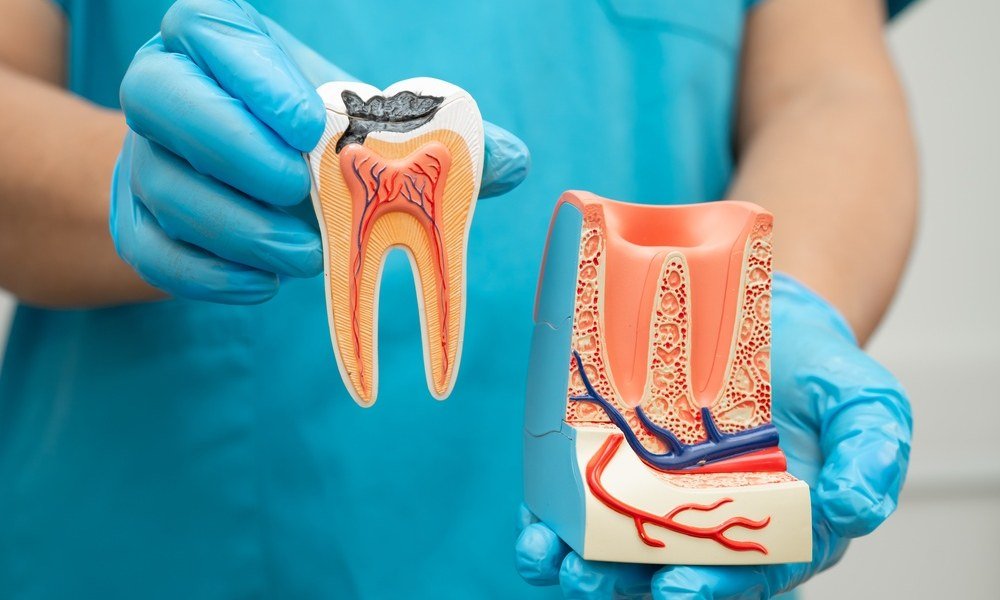
The material is softer and easier to remove than a permanent filling. This makes it useful when the dentist needs to return to the tooth, but it also means it wears down faster. Think of it as a protective cover that holds the place while the next step is planned.
If you have just received one, you may be wondering how long it will last and how to care for it. This guide walks through what to expect, how to protect it, and when to schedule your permanent filling.
Why Dentists Use a Temporary Dental Filling
There are several reasons a dentist may choose a temporary dental filling instead of a permanent one. In many cases, the tooth needs further treatment, or the dentist wants to see how it responds before finishing the work.
- Between visits during a root canal or other multi-step treatment
- When a tooth is sensitive or irritated and needs time to calm down
- While a custom crown, inlay, or onlay is being made
- To seal a cavity quickly when a permanent filling cannot be done the same day
- After removing decay close to the nerve, so the dentist can monitor the tooth
In each case, the goal is to keep food and bacteria out of the tooth and keep you comfortable. Temporary materials also let your dentist avoid rushing a permanent restoration before the tooth is ready.
How Long Does a Temporary Filling Last?
Most temporary fillings are intended to last for a few weeks, and some can hold for a few months depending on the material and the tooth. Your dentist will give you a timeframe based on your treatment plan, and that guidance matters more than any general estimate.
Several things affect how long it lasts: where the filling is, how much force the tooth takes when you chew, and your habits. A temporary filling on a back tooth, which handles heavy chewing, may wear faster than one on a tooth that is not used as much.
The most important point is not to treat it as permanent. The longer a temporary filling stays, the more likely it is to crack, wear down, or leak, which can allow decay to return underneath.
How to Care for a Temporary Filling
A few simple habits help your temporary filling stay in place until your next visit. The material can be fragile for the first day, so be gentle with the tooth while it settles.
- Chew on the opposite side of your mouth when you can
- Avoid sticky foods such as caramel, taffy, and chewing gum
- Skip very hard foods like ice, nuts, and hard candy
- Brush gently around the tooth, and slide floss out sideways instead of pulling it up
- Limit very hot and very cold foods and drinks if the tooth is sensitive
Some mild sensitivity or tenderness after treatment is common and often fades. If your bite feels uneven, the filling feels too high, or pain keeps getting worse, call your dentist so they can adjust it.
What to Do If a Temporary Filling Falls Out
Temporary fillings can loosen or come out, especially if you chew something sticky. If this happens, do not panic, but do not ignore it either. An exposed tooth can be sensitive and is open to bacteria and food debris.
Rinse your mouth gently with warm water, and keep the area clean. Call your dentist and let them know, since they may want to replace the filling quickly. You can sometimes find a temporary tooth filler or dental cement kit at a pharmacy as a short-term cover, but this is only a stopgap until you are seen.
A tooth that is cracked, severely painful, or comes with swelling or fever needs prompt attention. If you broke a tooth instead, see our guide on chipped tooth repair(opens in a new tab).
Temporary Filling vs Permanent Filling
A permanent filling is made from durable materials designed to withstand years of chewing. Temporary fillings are meant for the short term and are not built to take that kind of wear. Moving from temporary to permanent is the step that actually restores the tooth.
| Feature | Temporary filling | Permanent filling |
|---|---|---|
| Purpose | Short-term protection | Long-term restoration |
| Typical lifespan | Weeks to a few months | Many years with good care |
| Durability | Softer, wears faster | Strong and long-lasting |
| Next step | Return for final treatment | Routine checkups |
Restorative Care at Keystone
Keystone Rural Health Consortia offers restorative dental care(opens in a new tab), including fillings and other treatments that repair damaged teeth. Your dentist will explain which option fits your tooth, and when to schedule your permanent restoration.
You can learn more about the people who care for our patients on the providers page(opens in a new tab), or visit the Keystone home page(opens in a new tab) to explore our services. The Bradford location(opens in a new tab) is one of several offices where you can be seen.
Keystone offers dental care in Bradford(opens in a new tab), Emporium(opens in a new tab), Kane(opens in a new tab), and Kersey(opens in a new tab), and you can see every Keystone office on the locations page(opens in a new tab).
Request an Appointment With Keystone Rural Health Consortia Today
If you have a temporary filling that is ready to be replaced, or you have a tooth that hurts, do not wait. Booking your permanent filling keeps your tooth protected and your smile strong.
This article is for general education and is not medical advice. Only a dentist who has examined you can recommend treatment for your tooth.
Book an appointment(opens in a new tab)
Frequently Asked Questions
How long does a temporary tooth filling last?
Most temporary fillings are meant to last from a few weeks to a few months. Your dentist will tell you how long yours should stay in place based on your treatment plan.
Can I eat normally with a temporary filling?
You can usually eat, but it helps to avoid sticky, hard, and very hot or cold foods, and to chew on the other side. Follow any special instructions your dentist gives you.
What if my temporary filling falls out?
Call your dentist and rinse your mouth gently. An exposed tooth can be sensitive and open to bacteria, so it is best to have the filling replaced soon.
Where can I get a permanent filling near me?
Keystone Rural Health Consortia offers fillings and other restorative care at dental locations across Northern Pennsylvania. You can book online or call the office nearest you.
