
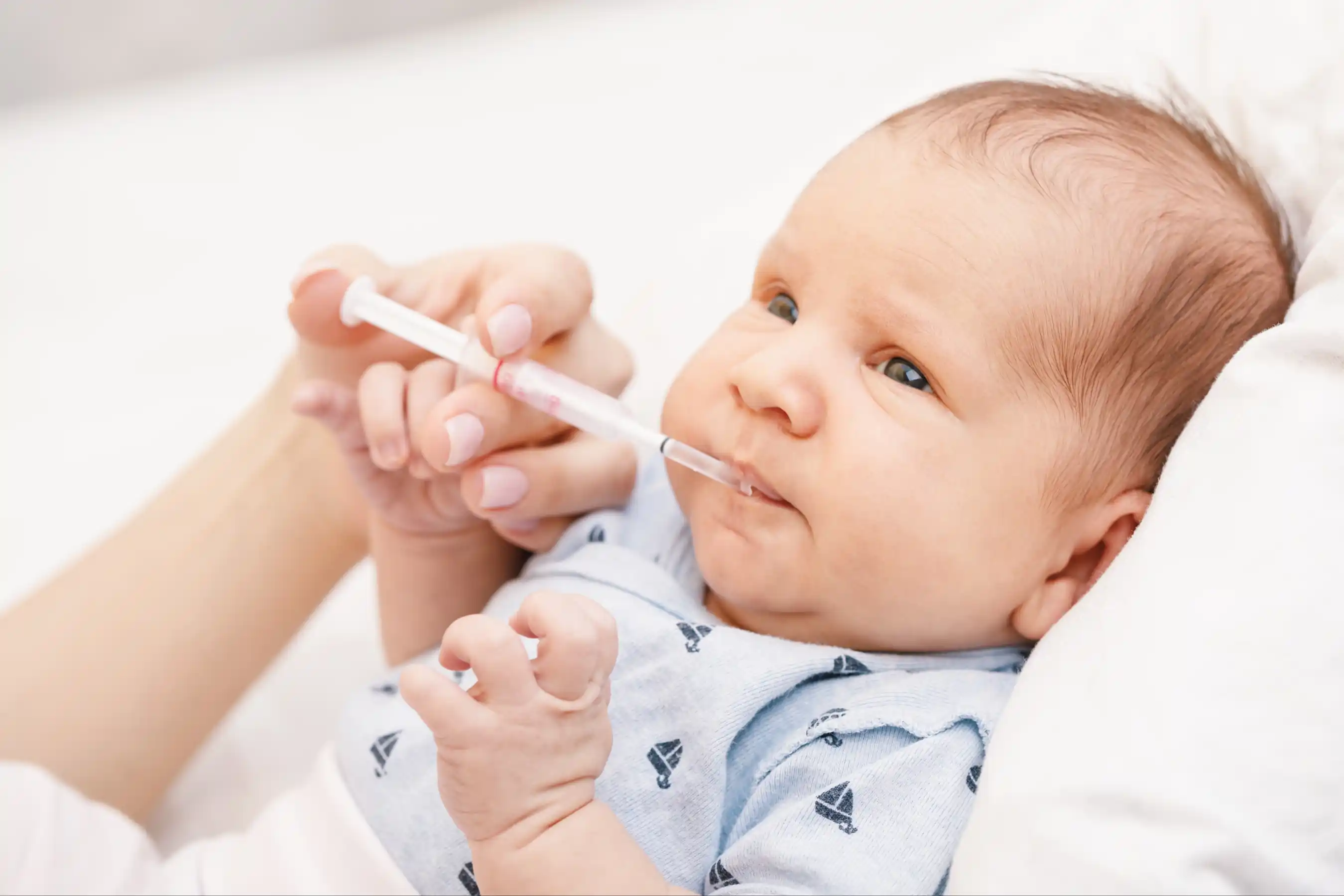
Key Takeaways
- Most babies get their first vaccine at birth, then more at the 1, 2, 4, and 6 month visits.
- Early vaccines protect against serious illnesses like hepatitis B, whooping cough, polio, and rotavirus.
- Giving vaccines on time helps protect babies, families, and communities, according to the Centers for Disease Control and Prevention (CDC).
- The Vaccines for Children Program provides no-cost vaccines to eligible children age 18 and younger, including children on Medicaid and those without insurance.
- Keystone Rural Health Consortia offers newborn care, well-child visits, and immunizations for rural Pennsylvania families, and parents can request an appointment online.
What Vaccines Does a Newborn Need in the First Few Months?
New parents often have questions about which vaccines their baby needs and when. The CDC publishes a chart of recommended vaccines for young children that lays out the typical newborn vaccine schedule.
Here is a simplified look at the first six months. Some terms are spelled out below the table.
| Baby's Age | Vaccines and Preventive Antibodies |
|---|---|
| Birth | Hepatitis B (dose 1); RSV antibody, depending on the mother's RSV vaccine status |
| 1 month | Hepatitis B (dose 2) |
| 2 months | Rotavirus, DTaP, Hib, pneumococcal, and polio (dose 1 of each) |
| 4 months | Rotavirus, DTaP, Hib, pneumococcal, and polio (dose 2 of each) |
| 6 months | Third doses of several of these vaccines; flu vaccine begins and is given every year |
A few quick definitions:
- RSV stands for respiratory syncytial virus, a contagious infection of the nose, throat, and sometimes lungs.
- DTaP protects against diphtheria, tetanus, and pertussis (whooping cough).
- Hib stands for Haemophilus influenzae type b, a bacterial infection that can affect the lungs, brain, and bloodstream.
Dose timing can vary a little by vaccine brand and by your baby's health. Your baby's provider will confirm the schedule that applies to your child.
Why Vaccine Timing Matters for Newborns
Newborns cannot fight off some infections as well as older children. The CDC notes that whooping cough and RSV are especially dangerous for babies, which is one reason the first vaccines start so early.
The CDC also explains that vaccinating on time means healthier children, families, and communities. Keeping up with each visit helps your baby build protection step by step.
What to Expect at a Newborn Immunization Visit
Vaccines are usually given during well-child visits. These regular checkups also let providers track your baby's growth, development, and overall health.
To get ready for a visit, parents can:
- Bring your baby's immunization record, if you have one
- Write down questions about the schedule or about what to watch for after shots
- Tell the office right away if your baby's insurance or Medicaid status changes
- Ask what to do if your baby seems unwell after a vaccine
If your baby falls behind, a provider can help your child catch up. The CDC says children who are behind can catch up on routine vaccines through the Vaccines for Children Program.
How the Vaccines for Children Program Helps Eligible Families
Vaccine costs can worry families, especially in rural areas where options may feel limited. The Vaccines for Children Program is a federal program that offers no-cost vaccines to eligible children at enrolled providers.
According to the CDC, children age 18 and younger may qualify if they are:
- Medicaid-eligible
- Uninsured
- Underinsured
- American Indian or Alaska Native
A few helpful details from the CDC:
- Parents do not have to show proof of eligibility, but the provider must ask a few questions and record the answers.
- The vaccine itself is free, but a provider may charge a small administration fee. Providers cannot refuse to vaccinate a child because a family cannot pay that fee.
- Rules for underinsured children are more specific, so it helps to ask the office how they apply to your family.
Keystone Rural Health Consortia takes part in the Vaccines for Children Program and offers free immunization clinics for children. Families can also review the insurance plans Keystone accepts and ask about sliding-scale payment options.
Where Can Rural Pennsylvania Families Get Newborn Vaccines Close to Home?
Long drives can make it hard to keep up with checkups. Keystone's pediatric primary care services include newborn care, well-child visits, and a full range of immunizations, with telehealth options and same-day appointments for many needs.
Keystone also offers 24/7 call services, so parents can reach the care team with questions at any hour. Looking for a pediatrician in rural Pennsylvania? Request an appointment online to start your baby's care.
Protect Your Baby With Newborn Vaccines at Keystone Rural Health Consortia
A steady vaccine schedule helps keep your baby safe during the first and most delicate months. With free and low-cost options available for eligible families, cost does not have to stand in the way.
Request a pediatric appointment with Keystone Rural Health Consortia to review your newborn's vaccine schedule and get immunizations close to home. You can also learn more on the Keystone Rural Health Consortia home page.
Frequently Asked Questions
When does a newborn get their first vaccine?
Most babies get their first hepatitis B vaccine shortly after birth. More vaccines follow at the 1, 2, 4, and 6-month visits.
What is the Vaccines for Children Program?
It is a federal program that provides no-cost vaccines to eligible children aged 18 and younger. Eligible children include those on Medicaid, those without insurance, and some underinsured children.
Can I get my baby's vaccines for free?
Many eligible families can. Keystone Rural Health Consortia takes part in the Vaccines for Children Program and offers free immunization clinics.
What if my baby misses a vaccine on the schedule?
Talk to your provider as soon as you can. Children who are behind can usually catch up, including through the Vaccines for Children Program.
How can I find a pediatrician near me for newborn vaccines?
Keystone Rural Health Consortia offers pediatric care, newborn visits, and immunizations for families across rural Pennsylvania. Request an appointment online to get started.
