
Key Takeaways
- Bleeding gums are commonly linked to gum disease, including gingivitis and periodontitis.
- The root planing procedure removes harmful bacteria below the gumline and promotes gum reattachment.
- Deep cleaning for gums reduces inflammation, slows gum recession, and helps prevent tooth loss.
- Regular dental care and early intervention are essential for long-term gum health.
- Keystone Rural Health Consortia provides expert gum disease treatment and deep cleaning for gums across Northern Pennsylvania. Schedule an appointment today to protect your smile.
Bleeding gums are often an early sign of gum disease. This blog explains how root planing can address the root cause of bleeding gums and restore your oral health. Learn why this treatment is essential for long-term gum care.
What Causes Bleeding Gums, And Why Does It Signal Gum Disease
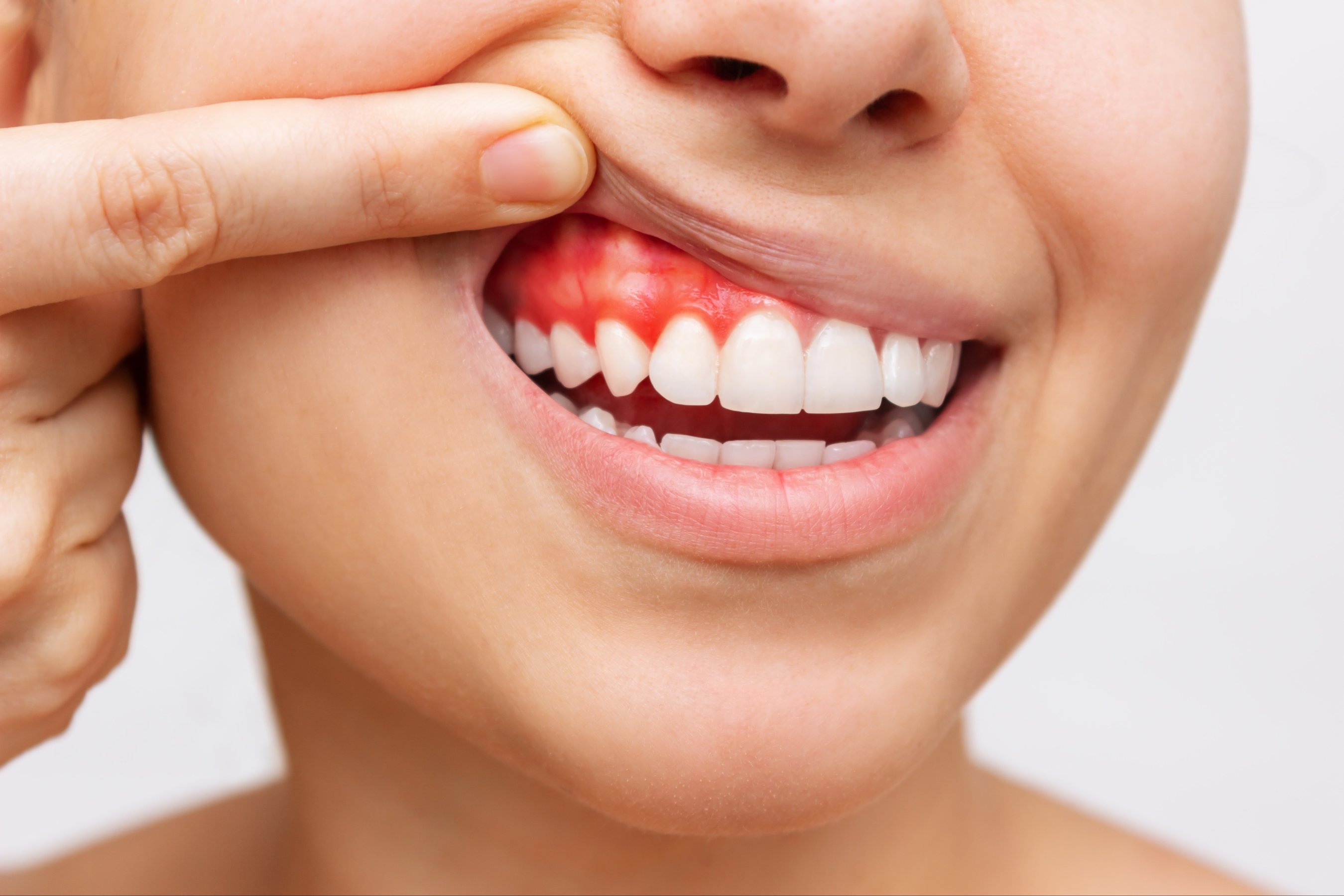
If your gums bleed when brushing or flossing, it is not simply from brushing “too hard.” In most cases, bleeding is a sign of inflammation caused by bacterial buildup along and beneath the gumline.
According to the American Dental Association (ADA), plaque is a sticky film of bacteria that forms on teeth daily. If not removed, plaque hardens into tartar and irritates the gum tissue. Over time, this irritation leads to gum disease.
There are two primary stages:
Gingivitis (Early Gum Disease)
- Red, swollen gums
- Bleeding when brushing or flossing
- Tenderness
- Mild bad breath
Gingivitis is reversible with professional care and improved oral hygiene.
Periodontitis (Advanced Gum Disease)
When left untreated, gingivitis can progress into periodontitis. At this stage:
- Infection spreads below the gumline
- Gum pockets deepen
- Bone supporting the teeth begins to deteriorate
- Gum recession develops
- Teeth may loosen
Keystone Rural Health Consortia provides comprehensive periodontics services to treat both early and advanced gum disease.
How the Root Planing Procedure Removes Bacteria Below the Gumline
Routine cleanings remove plaque from above the gumline. However, when infection spreads deeper, a more targeted approach is needed.
What Is Deep Cleaning for Gums?
The root planing procedure, also called scaling and root planing, is a non-surgical periodontal treatment that:
- Removes plaque and tartar from below the gumline
- Eliminates bacterial toxins
- Smooths the tooth roots
- Encourages gum tissue to reattach
At Keystone Rural Health Consortia, non-surgical periodontal treatment focuses on restoring gum health without invasive procedures whenever possible.
Why Smoothing the Roots Matters
Rough root surfaces allow bacteria to reattach easily. By smoothing the roots:
- Gum tissue can reattach more securely
- Pocket depth decreases
- Inflammation reduces
- Future buildup becomes less likely
This is a key step in effective gum disease treatment.
Routine Cleaning vs. Root Planing: What’s the Difference?
| Routine Dental Cleaning | Root Planing Procedure |
|---|---|
| Removes plaque above the gumline | Removes bacteria below the gumline |
| Preventive care | Therapeutic treatment |
| For healthy gums | For active gum disease |
| Short appointment | May require multiple visits |
| No anesthesia needed | Local anesthesia often used |
If you’re searching for a dentist near you because of bleeding gums, it may be time to ask whether deep cleaning for gums is recommended.
The Healing Process After Root Planing
One of the most common concerns patients have is recovery.
The good news: healing is typically straightforward.
Immediately After Treatment
You may experience:
- Mild soreness
- Temporary sensitivity
- Slight swelling
These symptoms usually subside within a few days.
What Happens as Gums Heal
As bacteria are eliminated:
- Redness decreases
- Swelling improves
- Bleeding reduces
- Gum pockets begin shrinking
Within several weeks, many patients notice firmer, healthier gums.
Keystone Rural Health Consortia may also recommend:
- Prescription antimicrobial mouthwash
- Antibiotic therapy when appropriate
- Follow-up cleanings
These supportive therapies help maintain healing and reduce reinfection risk.
Can Root Planing Help Stop Gum Recession?
Many patients ask how to stop gum recession.
Gum recession occurs when infected gum tissue pulls away from the teeth, exposing the roots. Root exposure can lead to:
- Tooth sensitivity
- Increased decay risk
- Cosmetic concerns
Root planing can slow or stop recession progression by eliminating the underlying infection. In more advanced cases, soft tissue grafting may be recommended to restore lost gum tissue.
Addressing the issue early greatly improves outcomes.
Preventing Gum Disease With Regular Dental Care
Treatment is only part of the solution. Prevention plays a critical role in maintaining results.
Keystone Rural Health Consortia emphasizes ongoing preventive dental care across its Northern Pennsylvania locations.
At-Home Prevention Tips
- Brush twice daily with fluoride toothpaste
- Floss daily to remove plaque between teeth
- Use antimicrobial mouthwash
- Eat a balanced diet
- Avoid tobacco products
- Stay hydrated
The Centers for Disease Control and Prevention (CDC) confirms that consistent oral hygiene significantly reduces the risk of periodontal disease.
Professional Preventive Care
Regular professional teeth cleanings remove plaque and tartar buildup that brushing cannot eliminate. Comprehensive dental exams detect early signs of gum inflammation before they become severe.
When Should You Seek Professional Help for Bleeding Gums?
Occasional mild irritation may happen, but persistent bleeding is not normal.
You should schedule a dental evaluation if you experience:
- Bleeding every time you brush
- Swollen or tender gums
- Persistent bad breath
- Gum recession
- Loose teeth
- Changes in bite
The earlier gum disease treatment begins, the more likely it can be managed without surgical procedures.
View all locations here to find convenient care near you.
Why Accessible Periodontal Care Matters
As a Federally Qualified Health Center serving rural communities, Keystone Rural Health Consortium is committed to providing:
- High-quality gum infection treatment
- Sliding-scale payment options
- Acceptance of most major insurance providers
- Comprehensive non-surgical periodontal care
Accessible care ensures patients do not delay treatment, which is critical when managing gum disease.
If you’ve been searching for a trusted dentist near you for bleeding gums or deep cleaning for gums, early evaluation can prevent long-term complications.
Protect Your Gums With Expert Periodontal Care in Northern PA
Bleeding gums are often the body’s warning sign that infection is developing below the surface. The root planing procedure removes bacteria where brushing cannot reach and supports long-term gum stability.
Keystone Rural Health Consortia provides comprehensive gum disease treatment and deep cleaning for gums across Northern Pennsylvania. Schedule your appointment today through the Periodontics page or visit the Contact page to find a location near you.
Frequently Asked Questions
What is the root planing procedure?
Root planing is a deep cleaning treatment that removes plaque and tartar from beneath the gumline and smooths tooth roots to promote healing and gum reattachment.
Is deep cleaning for gums painful?
Local anesthesia is typically used to ensure comfort. Mild tenderness afterward is common but temporary.
How long does it take for gums to heal after root planing?
Initial soreness may last a few days. Significant gum improvement typically occurs within a few weeks as inflammation decreases.
Can root planing stop gum recession?
Root planing can slow or stop gum recession by eliminating infection. Advanced cases may require additional treatment such as soft tissue grafting.
When should I see a dentist for bleeding gums?
If bleeding occurs consistently, is accompanied by swelling, bad breath, or gum recession, it’s important to seek professional evaluation promptly.